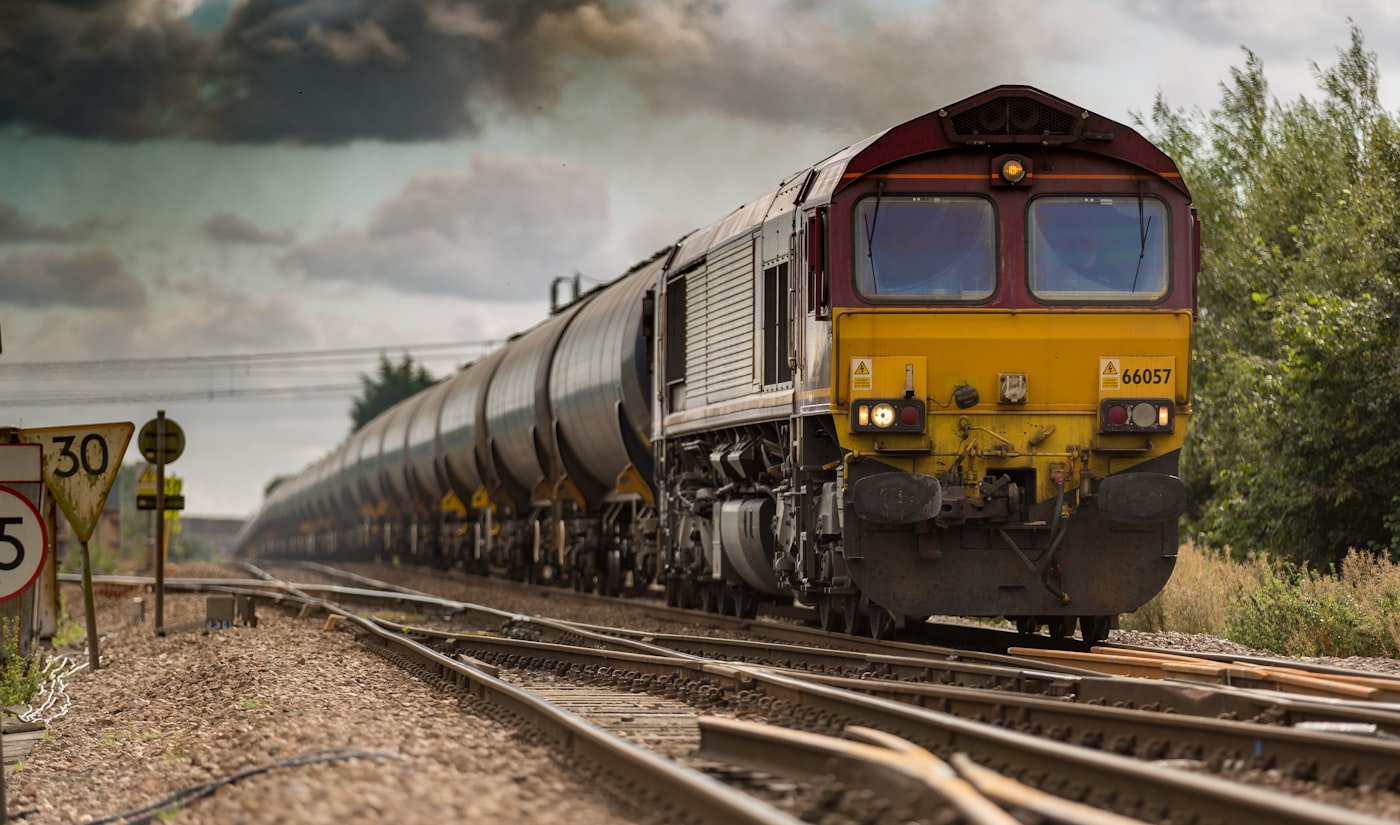
Across the Canadian landscape, from the Atlantic shores to the Pacific coast, stand structures that witnessed the birth of a nation. These railway stations, some grand and ornate, others modest and practical, tell stories of courage, engineering triumph, and the relentless human drive to connect the impossible.
In the late 19th century, Canada faced a challenge that seemed insurmountable. A vast territory stretched across mountains, prairies, and forests. Communities remained isolated, economies struggled, and the dream of confederation hung by a thread. The solution arrived on iron wheels.
 Rails that carried the weight of a young nation's aspirations
The Architecture of Ambition
Railway stations were never just functional buildings. They represented civic pride, architectural innovation, and economic optimism. Each station reflected the character of its community and the era of its construction.
The Château-style stations, with their steep copper roofs and turrets, echoed European grandeur. Gothic Revival designs brought pointed arches and decorative stonework to prairie towns. Art Deco stations of the 1930s celebrated modernity with geometric patterns and streamlined forms.
These buildings housed more than ticket counters and waiting rooms. They contained telegraph offices that connected communities to the world, restaurants that served travelers from distant places, and grand halls where celebrations and farewells unfolded beneath ornate ceilings.
 Craftsmanship that transformed utility into art
Stations as Community Anchors
For many Canadian towns, the station represented the most significant building in the community. It often surpassed churches, schools, and government offices in both scale and architectural sophistication.
The arrival of a train brought news, mail, goods, and people. Station agents became pivotal community figures, managing communications and logistics. The platform witnessed reunions, departures for war, and the arrival of new immigrants who would shape the nation's future.
"A railway station serves as a community's front door, welcoming the world while anchoring local identity."
Some stations evolved beyond their transportation role. They hosted community meetings, dances, and emergency shelters during harsh winters. The station restaurant might be the only place for miles where travelers could find a warm meal and conversation.
Experience This History Firsthand
Our curated tours bring these stories to life through expert-guided visits, archival materials, and access to preserved stations across Canada.
Choose Your JourneyEngineering Marvels and Geographic Challenges
Building stations meant conquering geography. Engineers designed foundations on permafrost, carved platforms from rock faces, and constructed buildings that could withstand temperature extremes ranging from minus forty to plus forty degrees.
 Where engineering met the immovable force of mountains
The Spiral Tunnels near Field, British Columbia, demonstrated remarkable ingenuity. To reduce dangerous grades, engineers created tunnels that looped through mountains, allowing trains to gain elevation gradually. The station at Field became a hub for observing this engineering achievement.
In the Prairies, stations faced different challenges. Extreme weather, isolation, and the need to serve grain shipping created unique architectural solutions. Platforms extended to accommodate long freight trains, while waiting rooms featured massive heating systems to combat brutal winters.
Preservation and Rediscovery
Many historic stations faced abandonment as railway service declined in the late 20th century. Communities rallied to preserve these landmarks, recognizing their cultural and historical significance beyond their transportation function.
Today, restored stations serve as museums, cultural centers, restaurants, and community gathering spaces. They remind us of an era when distance was measured in railway miles and stations served as gateways to possibility.
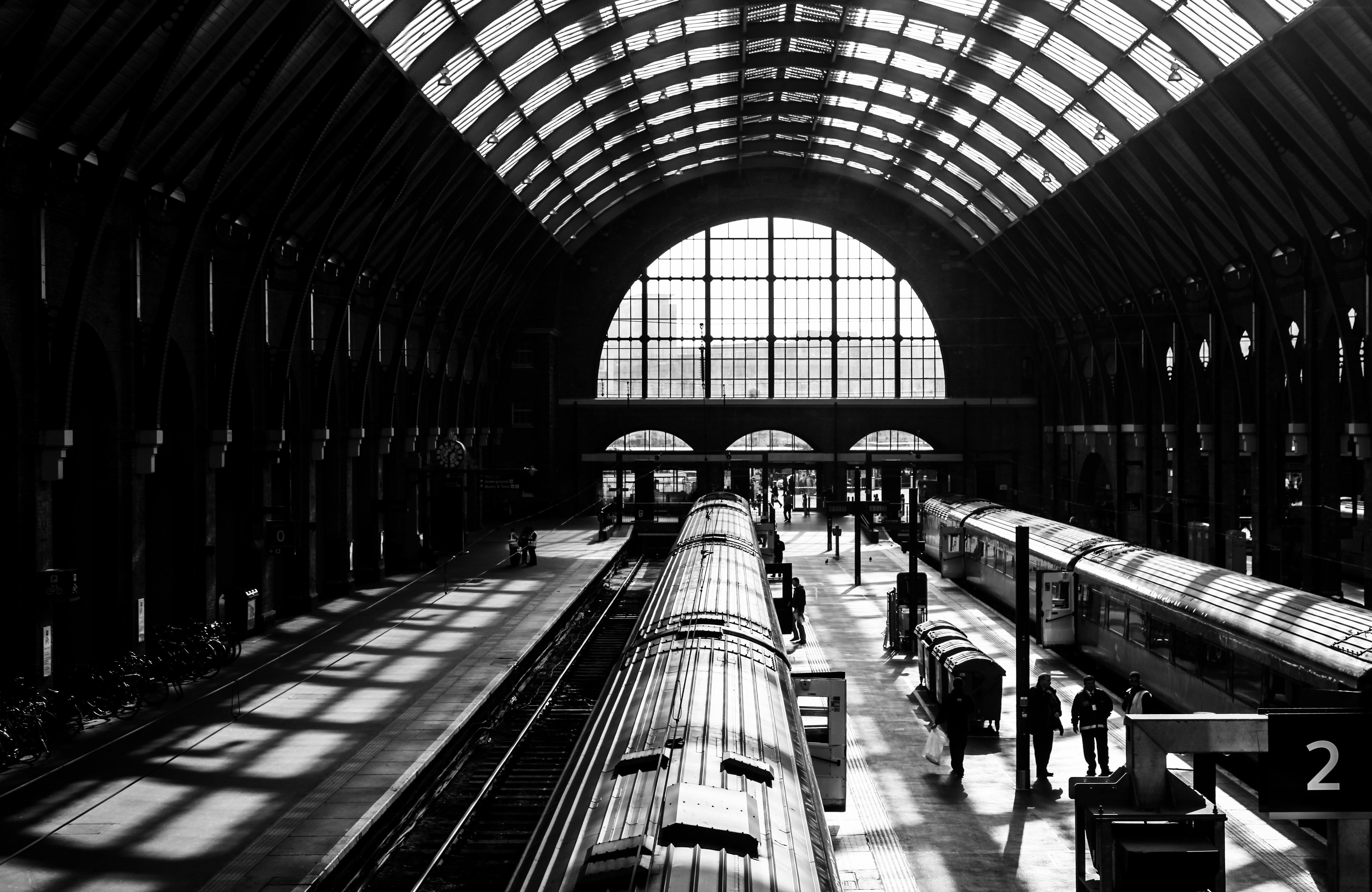 Preservation efforts keep history accessible for future generations
Heritage designations protect architectural integrity while allowing adaptive reuse. Walking through a restored station, visitors can experience original ticket windows, vintage luggage carts, and period furnishings that transport them to another era.
Select Your Heritage Experience
Choose from our carefully designed programs that bring railway history to life through expert guidance and exclusive access.
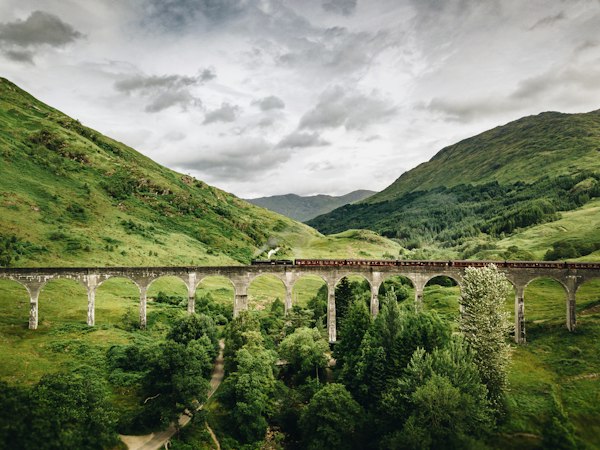
Architectural Heritage Tour
Explore design evolution across five preserved stations with an architectural historian.

Railway Journey Through Time
Full-day experience including heritage train ride, station tours, and archival document access.
Photography Expedition
Capture architectural beauty with guided access to restricted areas during optimal lighting hours.

Cultural Immersion Weekend
Two-day comprehensive program including multiple station visits, period dining, and overnight stay in heritage accommodation.